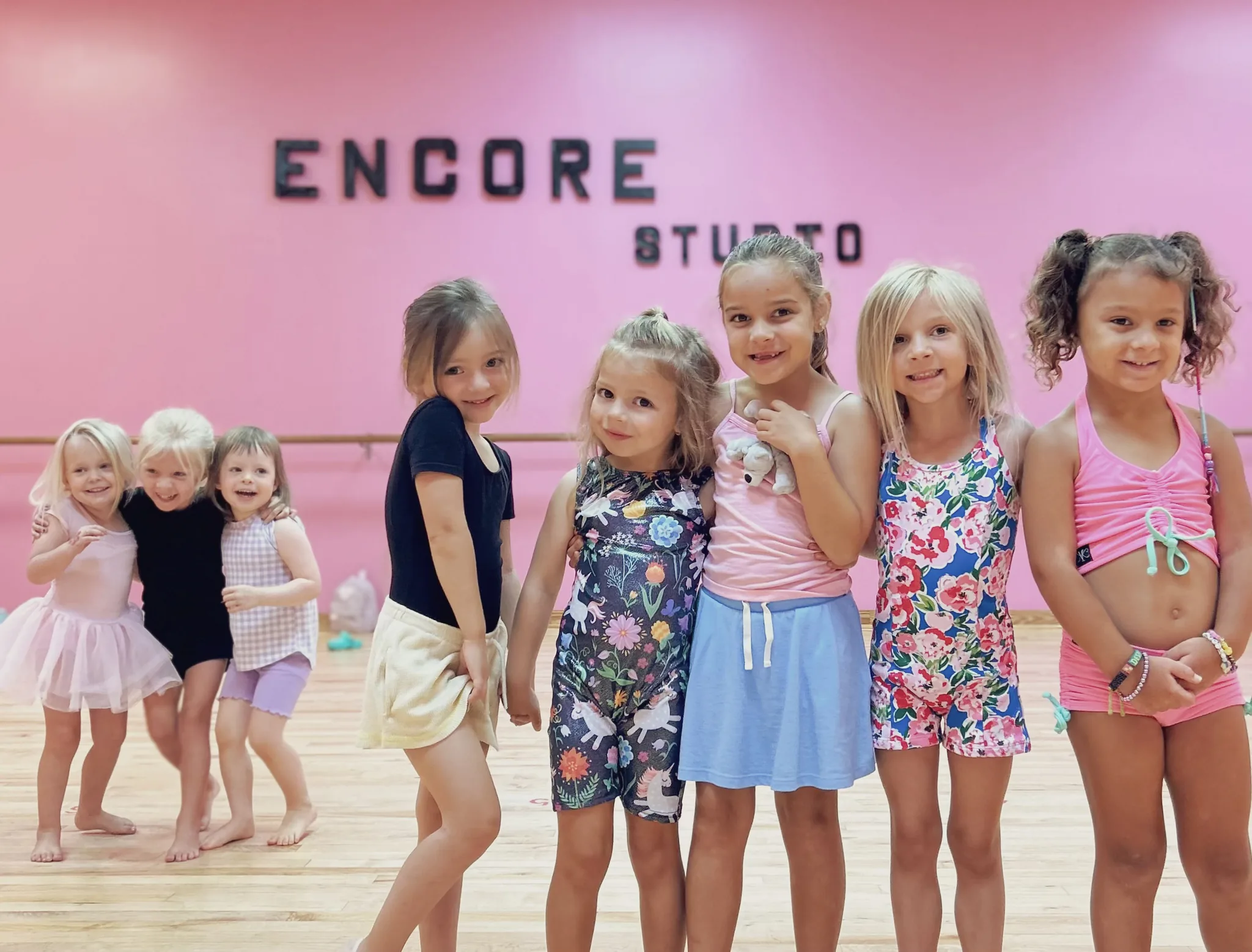
What Age Should My Child Start Dance Classes?
One of the most common questions parents ask is, “What age should my child start dance classes?” The honest answer is that there is no single perfect age for every child. Some children are ready at two and a half, while others feel more comfortable beginning at four or five.
Age gives us a starting point, but readiness tells us much more.
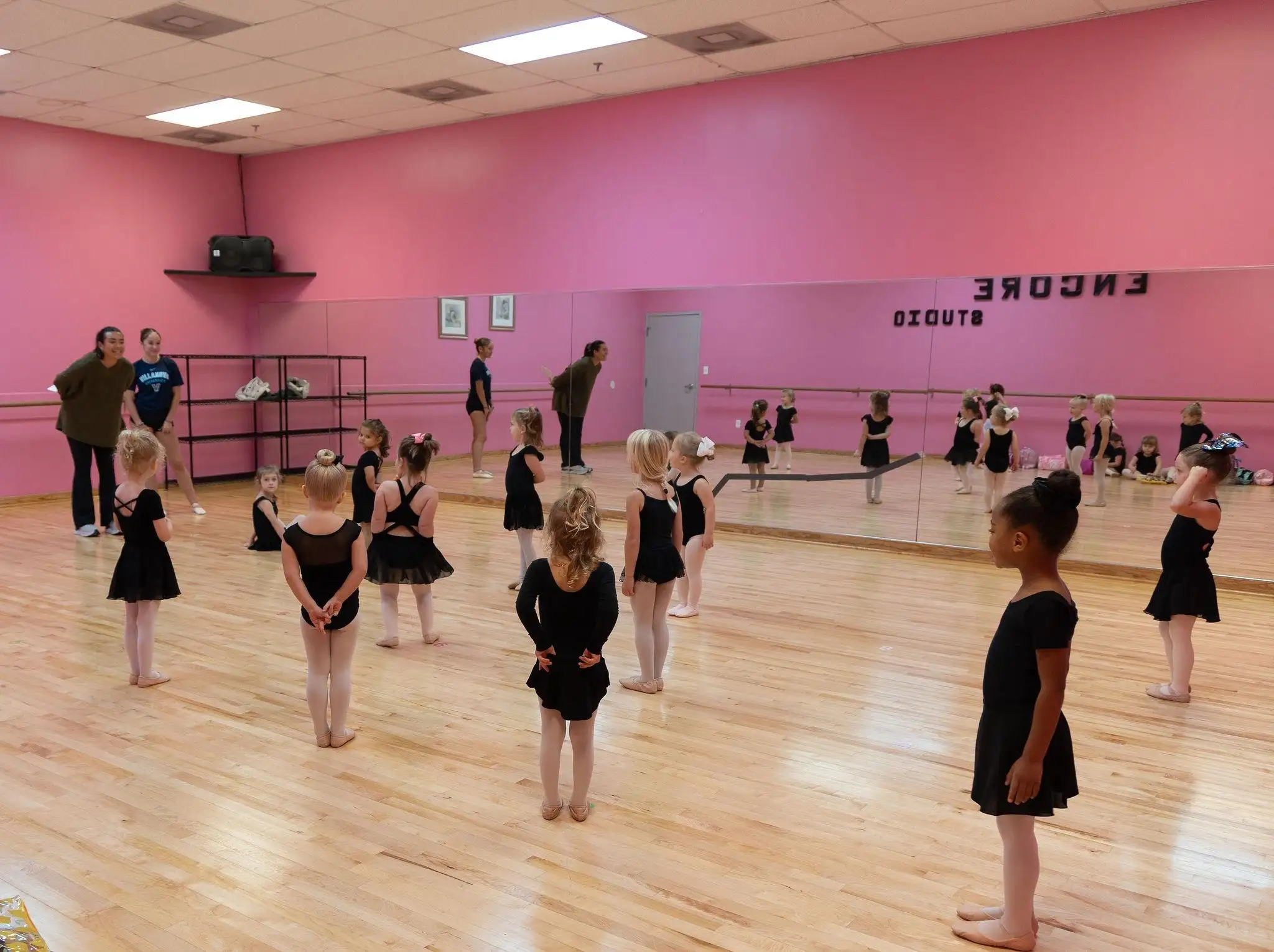
At Encore, we encourage families to look at the whole child. Potty training, attention span, independence, interest in movement, and the ability to follow a teacher all help determine whether a young dancer is ready for a positive first class experience.
Is There a “Best” Age to Begin Dance?
For many children, readiness for an independent dance class develops somewhere between 2.5 and 5 years old. That is a wide range—and it is completely normal.
Children develop at different rates. A three-year-old who eagerly joins group activities and comfortably separates from a parent may be ready before a four-year-old who needs more time to feel secure in a new setting. Starting later does not put a child behind, and starting early is not automatically better. The best beginning is one that feels safe, encouraging, and enjoyable.
The goal of an early dance class is not perfection. It is to introduce children to movement, music, creativity, classroom routines, and the joy of learning alongside others.
Signs Your Child May Be Ready for Dance Classes
Rather than focusing only on a birthday, consider these signs of readiness.
1. Your Child Is Potty Trained
For a class in which children participate independently, potty training is an important practical consideration. It helps the child remain comfortable in class and allows the teacher to keep the group engaged and moving.
Every child’s timeline is different. If potty training is still in progress, waiting a little longer may make the first dance experience easier for everyone.
2. Your Child Can Separate From a Parent
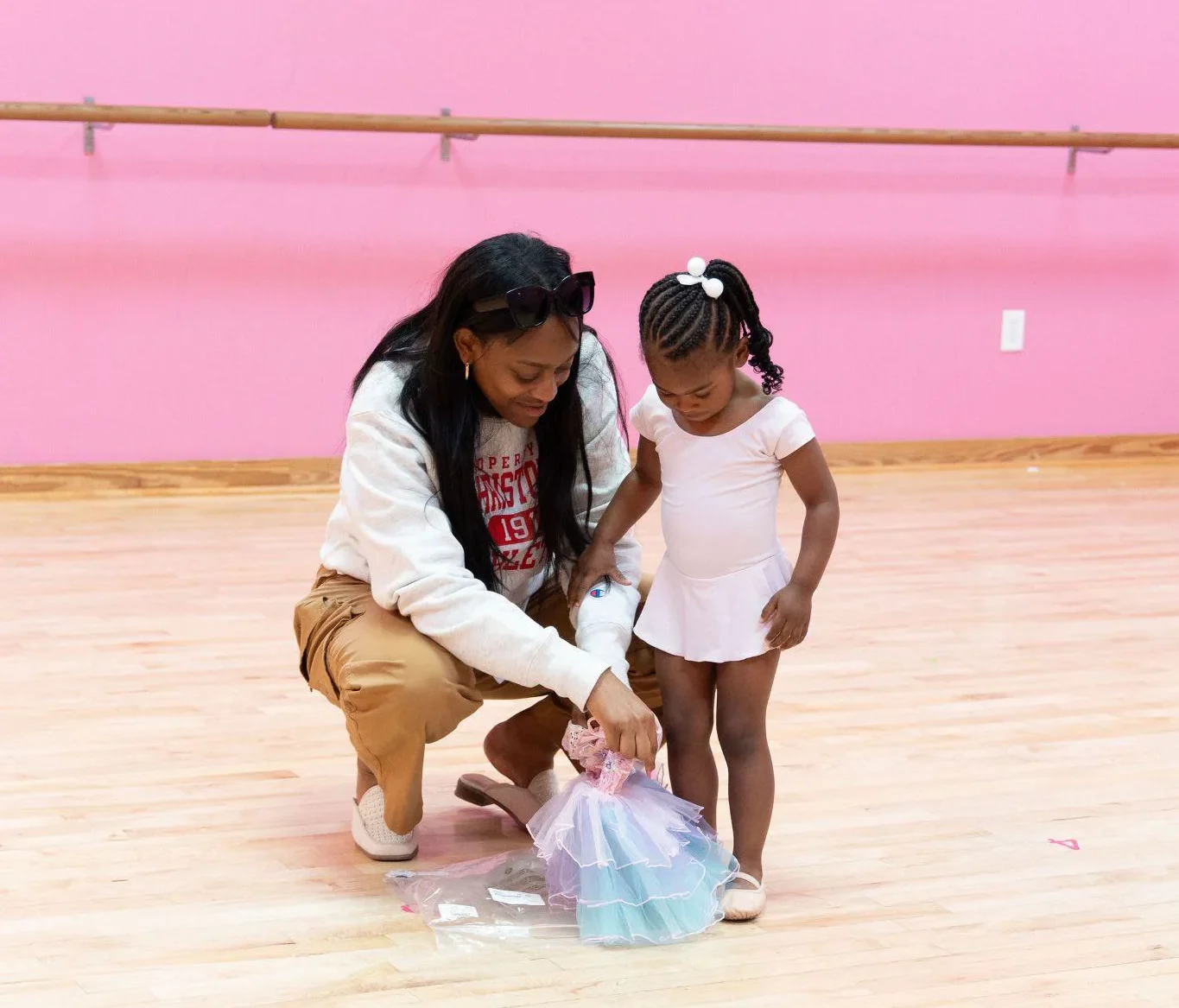
A young dancer does not need to be completely fearless, but they should be able to enter the classroom and remain with the teacher without a parent beside them. A few nerves at the beginning are normal. Many children need several classes to learn the routine, trust their teacher, and become comfortable in the space.
If separation consistently feels overwhelming, your child may simply need more time. Waiting is not a failure—it can help ensure that dance begins as a happy experience instead of a stressful one.
3. Your Child Can Follow a Teacher
Young dance classes include plenty of imagination and fun, but they are also an introduction to being part of a group. Children will be asked to watch the teacher, listen to simple directions, take turns, stay with the class, and move safely through the room.
They do not need a long attention span or perfect listening skills. They only need enough readiness to participate for short stretches and respond to gentle redirection.
4. Your Child Shows an Interest in Music and Movement
Does your child dance when music begins? Do they enjoy pretending, twirling, marching, jumping, or making up performances at home? A desire to move creatively and expressively is a wonderful indication that dance may be a natural fit.
Early dance education gives children a place to use that imagination while gradually developing coordination, musicality, body awareness, confidence, and classroom skills.
5. Your Child Asks to Take Dance
Sometimes the clearest sign comes directly from the child. If your child repeatedly asks for dance classes, talks about becoming a dancer, or becomes excited when they see other children dancing, it may be time to let them try.
Their interest does not mean they must commit to years of lessons. It simply means they are curious—and a trial class can turn that curiosity into a real experience.
What If My Child Is Interested but Not Quite Ready?
Interest and classroom readiness do not always arrive at the same time. A child may love music and dancing at home but still struggle to separate from a parent or follow a group lesson. That is perfectly okay.
Continue encouraging movement at home. Play music, dance together, use scarves or stuffed animals for imaginative movement, and attend age-appropriate performances when possible. You can try a class and observe how your child responds, or wait a few months and try again. A short amount of time can make a meaningful difference during the preschool years.
What Should Parents Expect From a First Dance Class?
A first class may include a little hesitation, plenty of observation, and moments when a child does not participate exactly as expected. That does not necessarily mean they dislike dance.
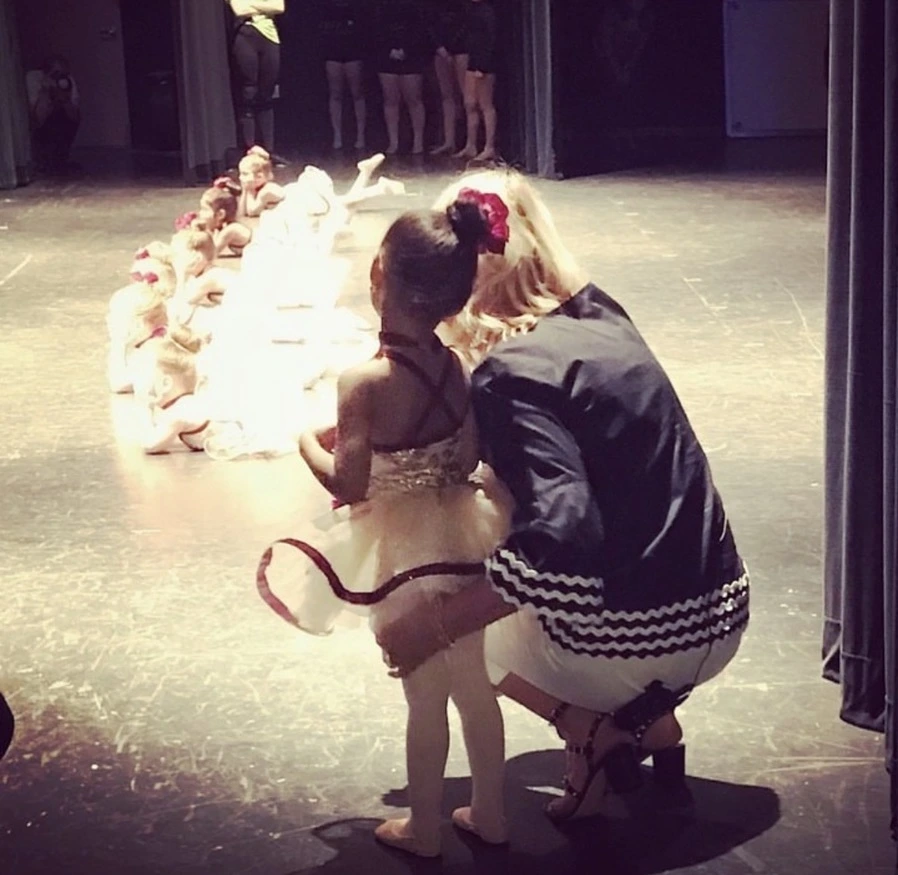
Young children often learn by watching before joining. A dancer who stands quietly during the first class may repeat every movement at home later that day. With consistency, encouragement, and a predictable routine, confidence frequently grows.
Parents can help by keeping expectations relaxed. Celebrate bravery, listening, creativity, and effort—not whether every step was completed correctly.
Readiness Matters More Than the Number
So, what age should your child start dance classes? For most children, the answer falls somewhere between 2.5 and 5 years old, depending on the individual child.
Your child may be ready if they are potty trained, can separate from a parent, follow a teacher for short periods, enjoy creative movement, and show genuine interest in dancing. They do not need to demonstrate every sign perfectly. These are simply helpful clues that the experience is likely to feel successful.
When dance begins at the right time for the child, the studio can become a place where they feel confident, imaginative, expressive, and excited to learn.
If your child has started asking about dance, the Encore team can help you choose an age-appropriate class and see how your child responds to the experience. Sometimes the best way to know whether they are ready is to let them step onto the dance floor and give it a try.