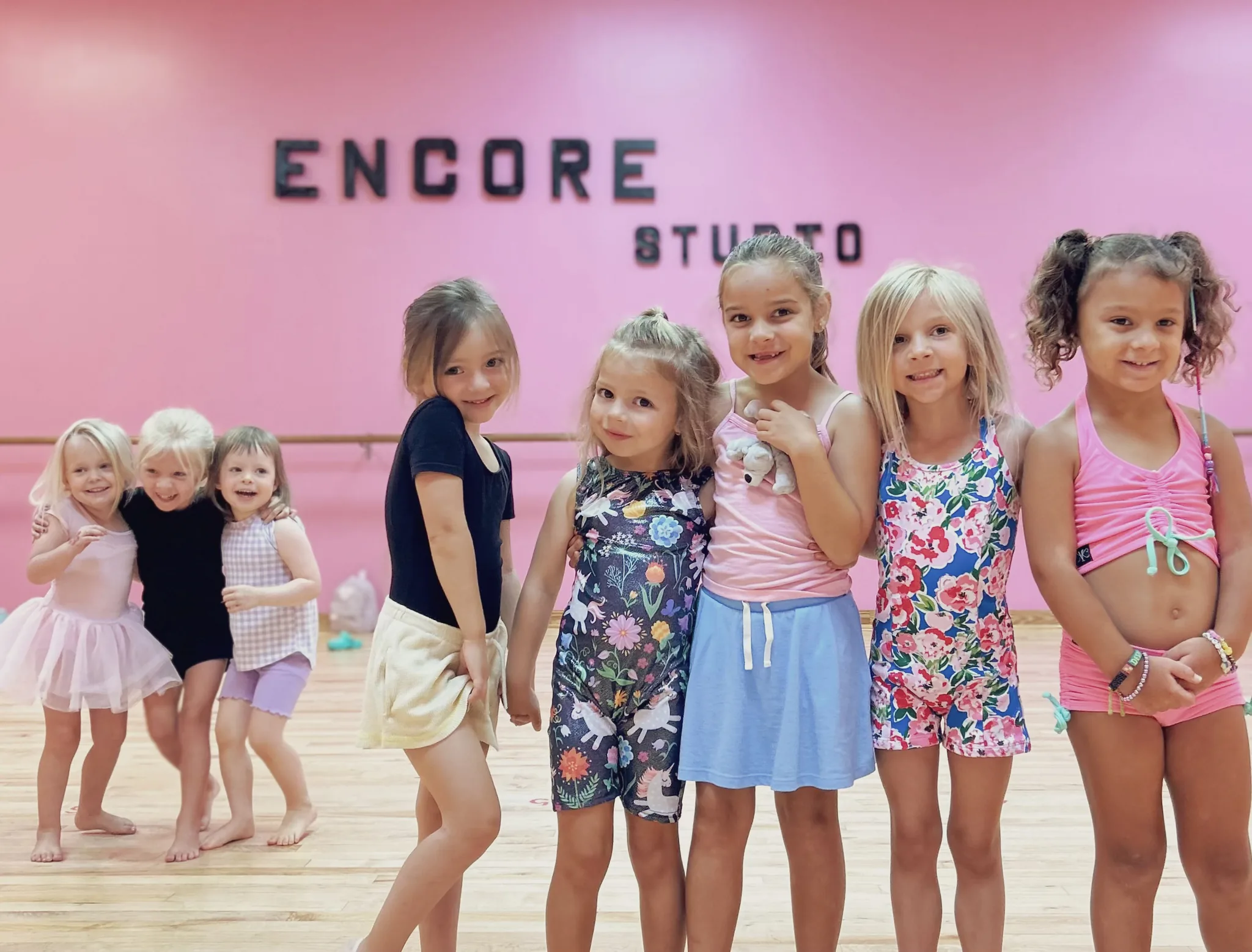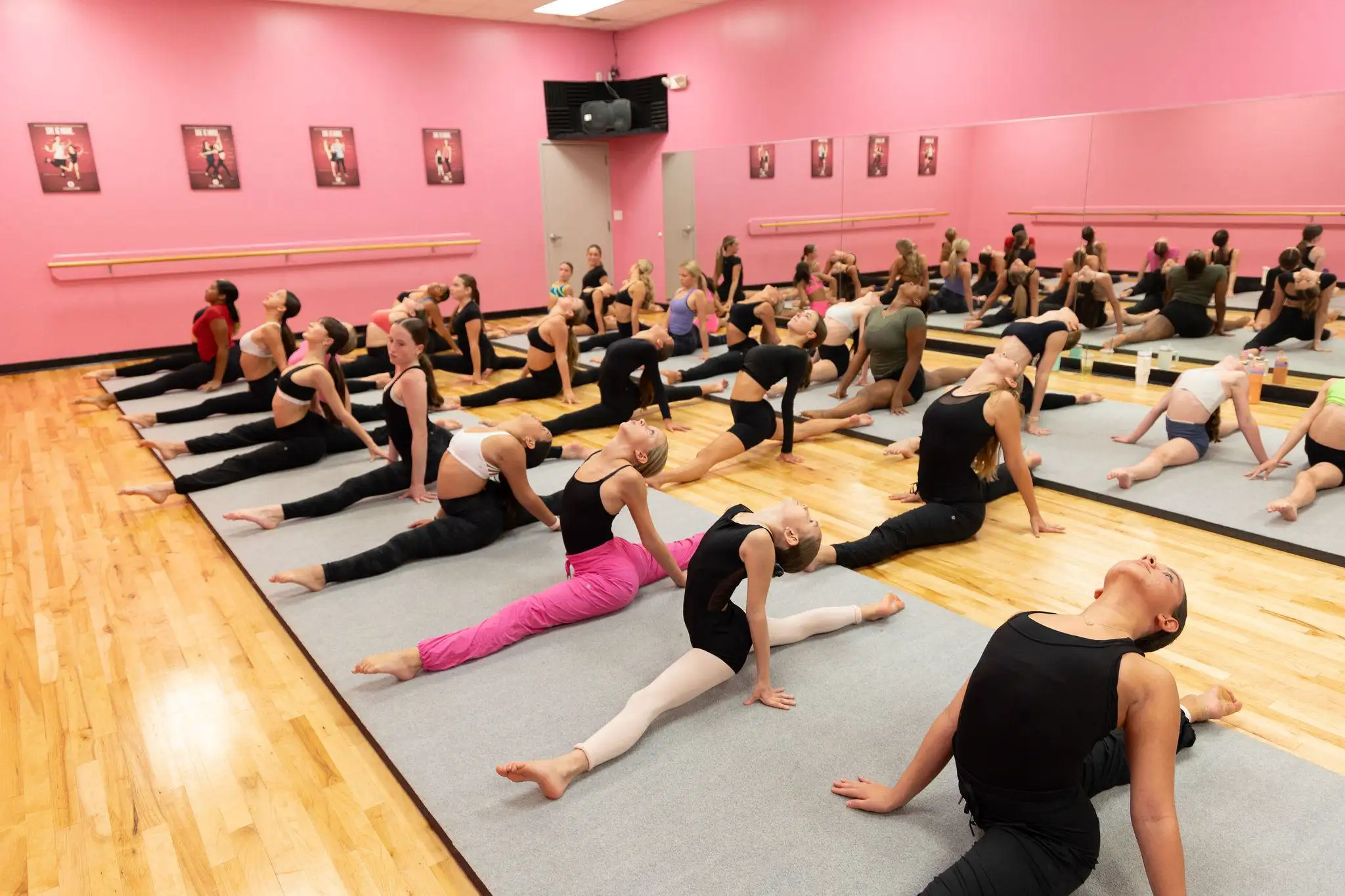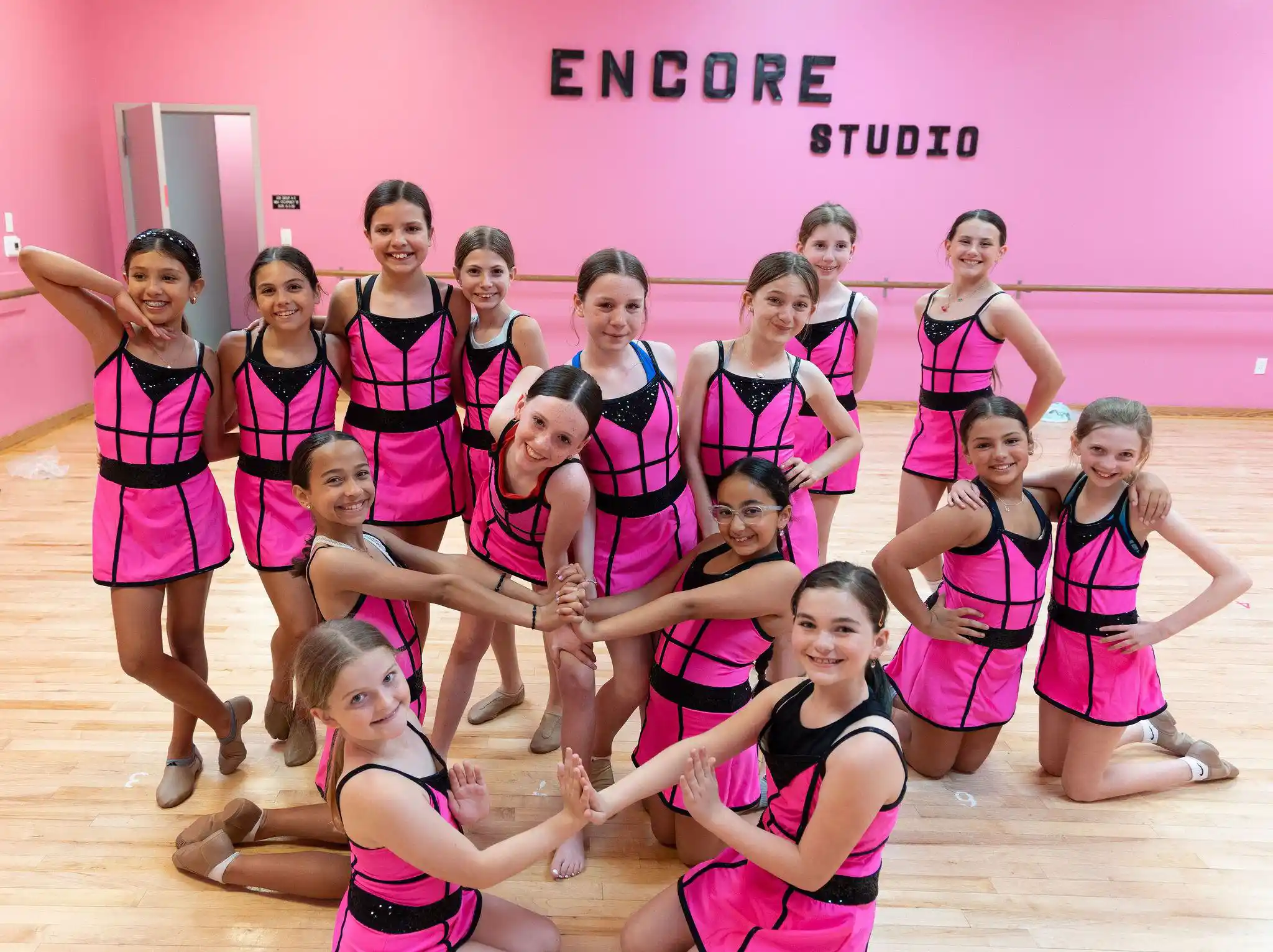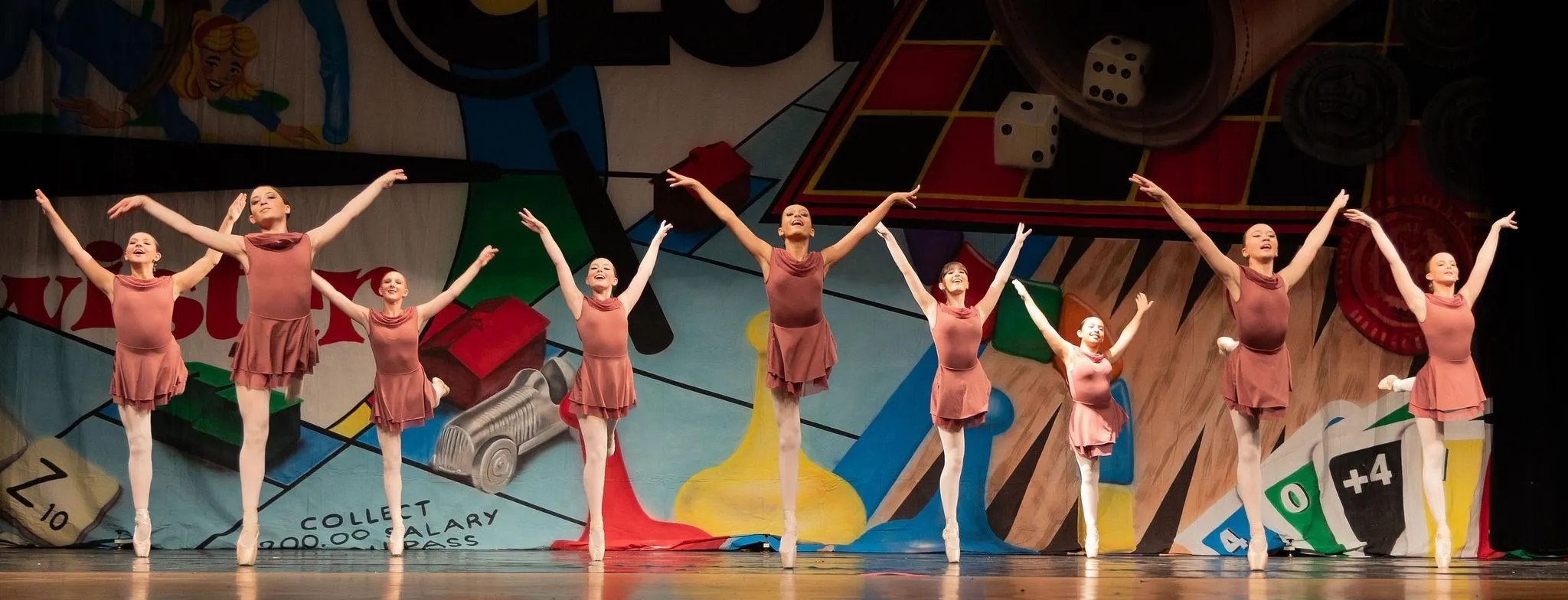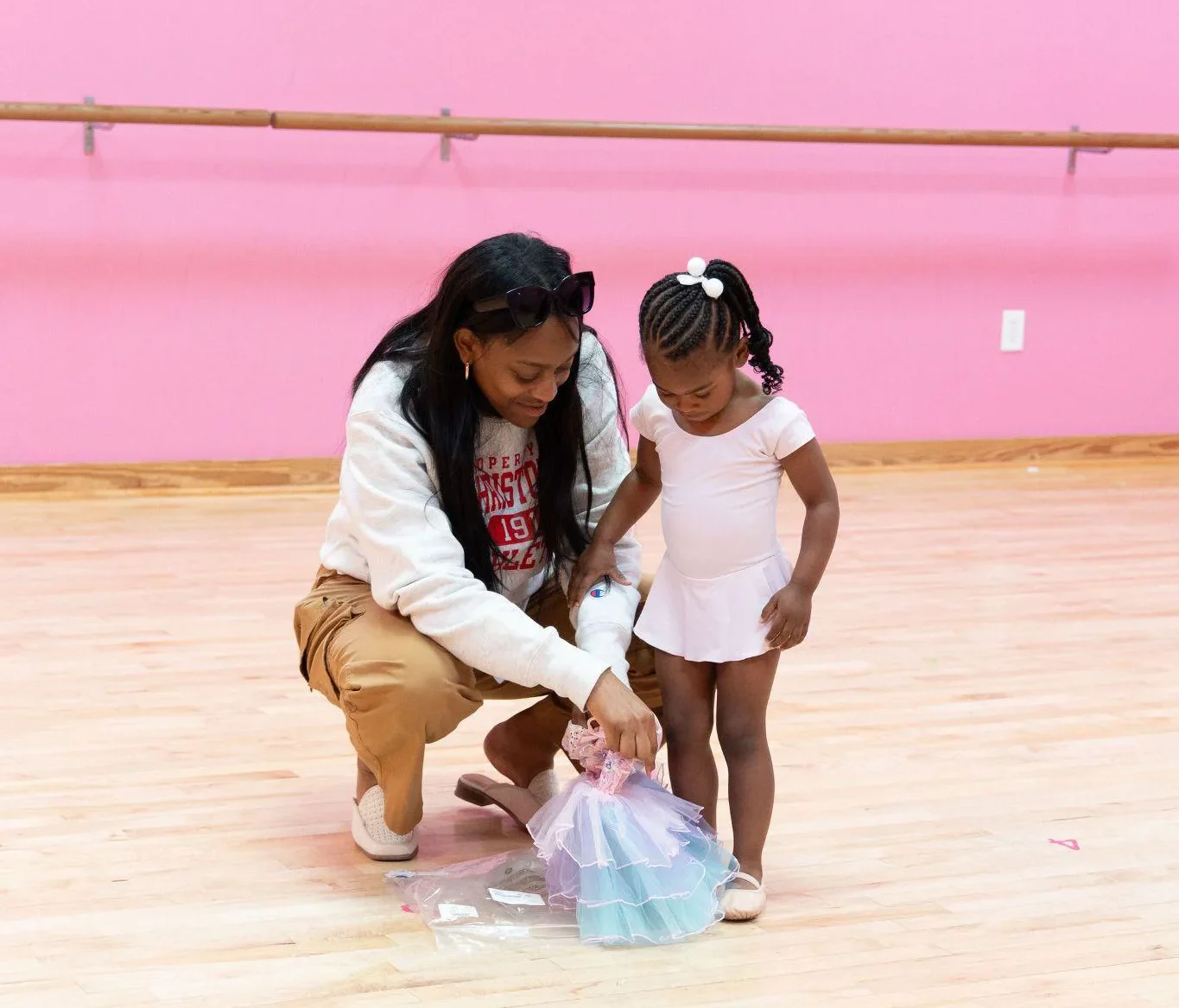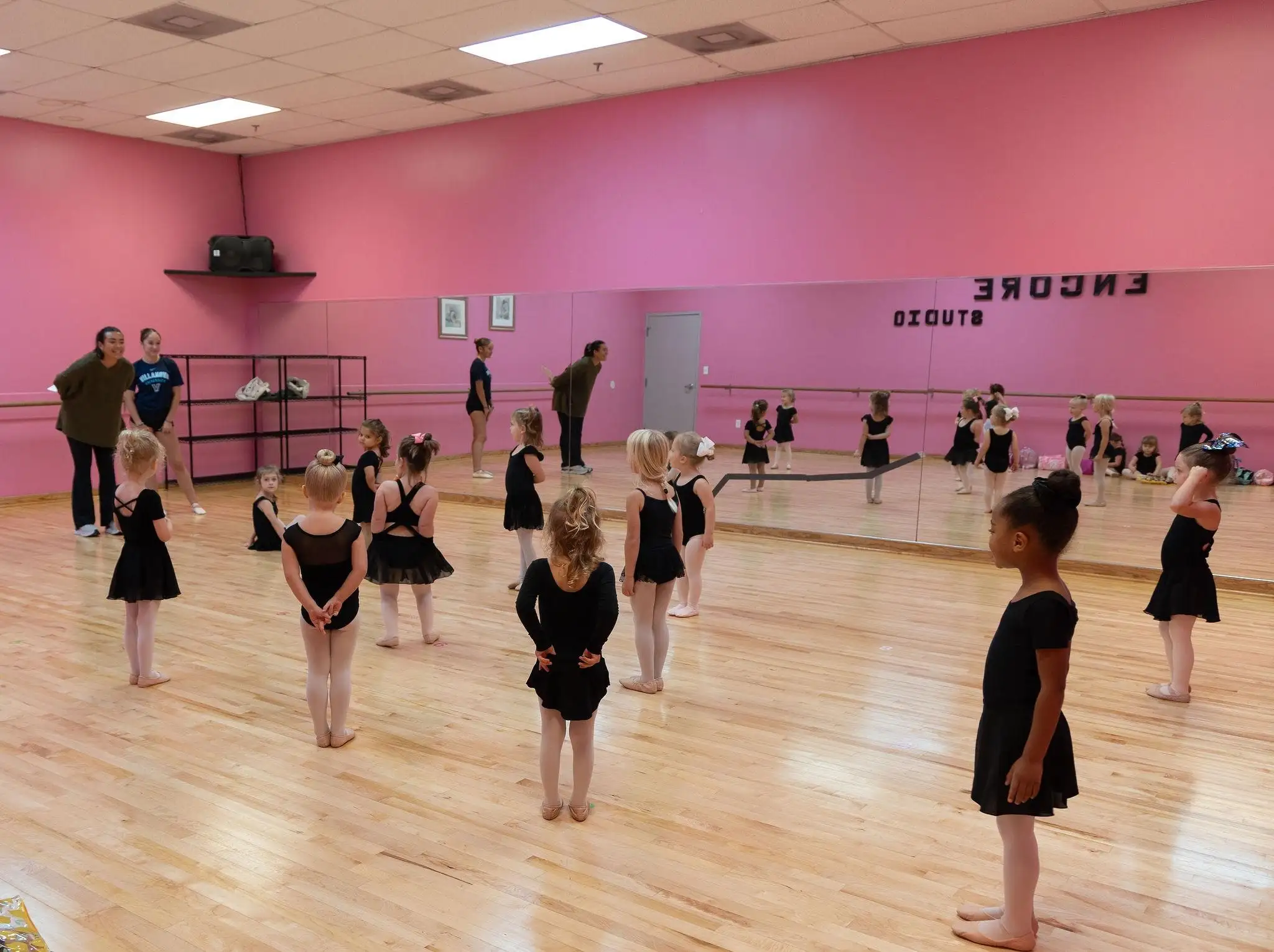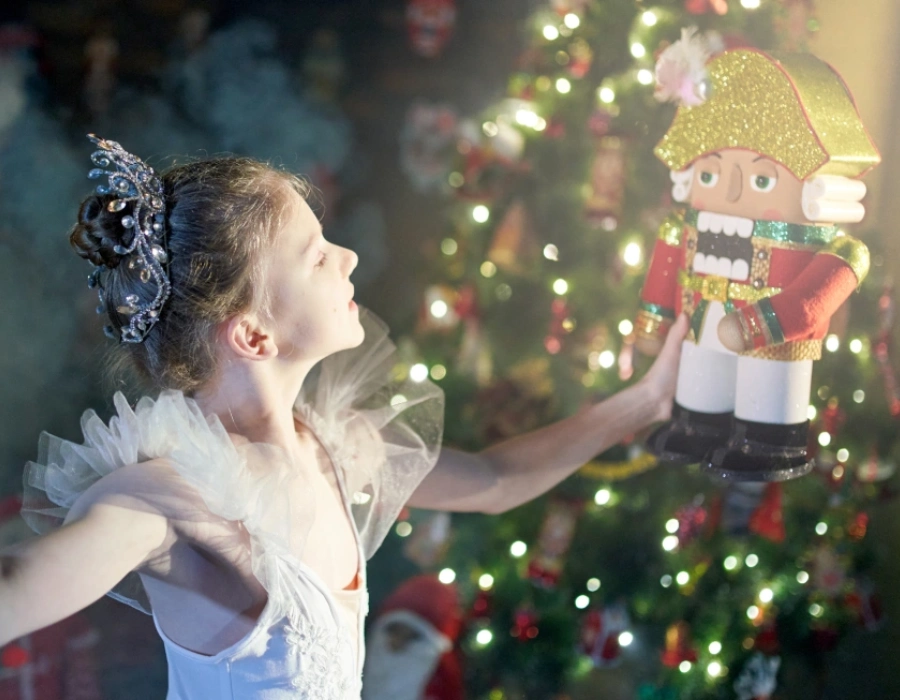
A dancer’s growth is measured in more than higher leaps, cleaner turns, or perfectly pointed feet. It also shows up in the confidence to try something new, the patience to practice a challenging step, and the joy of moving to music.
At Encore Dance, our vision—Inspire, Train, Perform—reflects a belief that strong dance education should nurture both the dancer and the person. For families exploring dance classes in Richmond, Virginia, finding that balance is an important part of choosing a studio.
We want students to develop their skills while building a love of dance that can stay with them for years.
What Does It Mean to Develop a Healthy Dancer?
Developing a healthy dancer means supporting physical, emotional, and artistic growth together.
Technique matters. So do age-appropriate expectations, thoughtful instruction, and an environment where students feel comfortable asking questions. Dancers need opportunities to work hard, make mistakes, celebrate progress, and discover their own strengths.
Every student arrives with a different personality, experience level, and reason for dancing. Some love the excitement of performing. Others enjoy the music, friendships, or challenge of learning something new. Those are all meaningful reasons to step into a dance class.
Building a Strong Foundation Through Dance Training
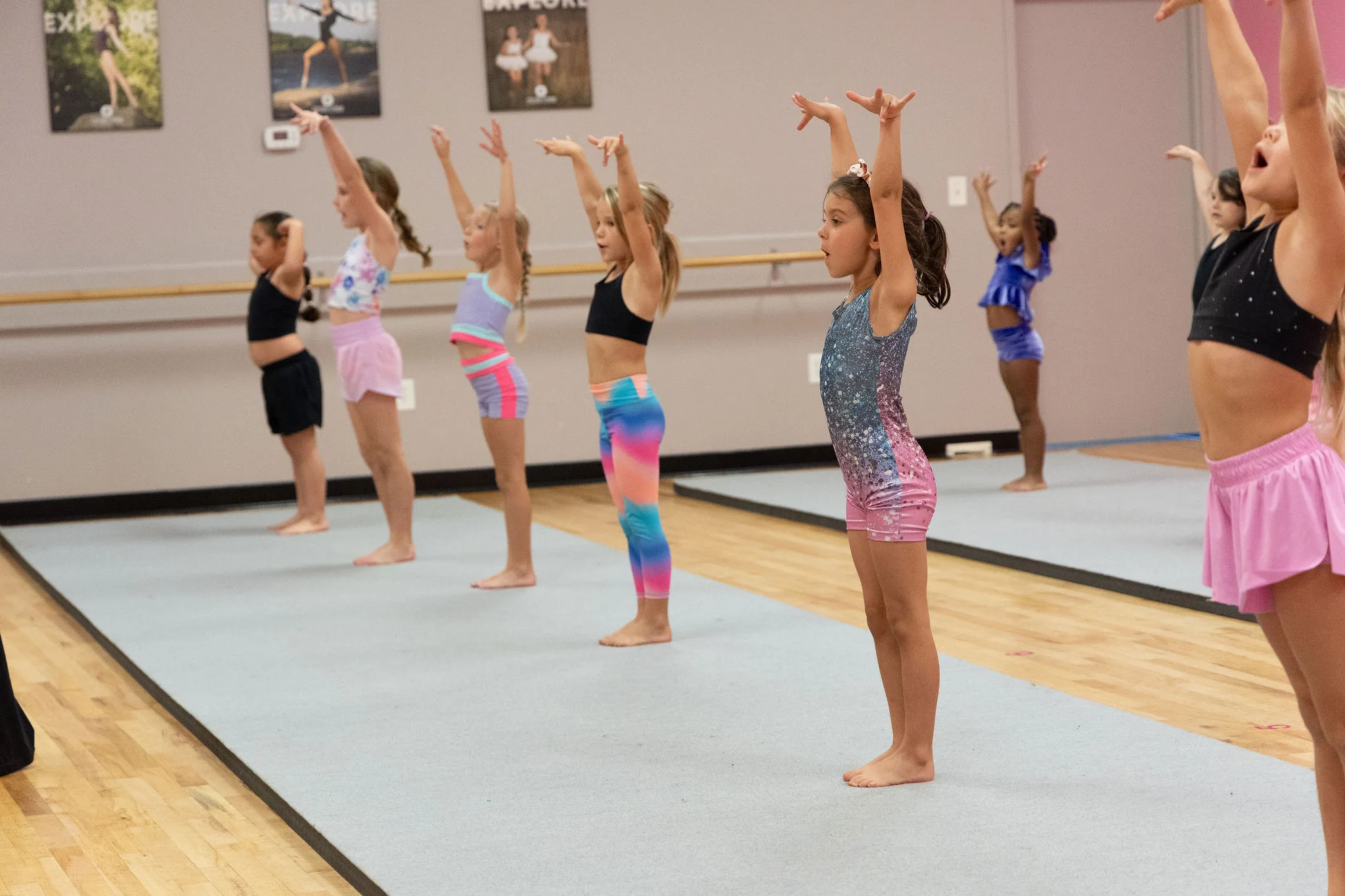
Strong dance training begins with the fundamentals. Learning alignment, coordination, balance, and control gives students a foundation they can continue to build upon.
Progress takes time. A dancer may need many classes to understand a correction or feel comfortable with a new movement. Encouraging steady practice helps students appreciate the process instead of feeling that every skill must come immediately.
A thoughtful approach also encourages dancers to speak up when something feels uncomfortable and to respect their individual pace of development. Learning to pay attention to their bodies is part of learning to dance.
Encouraging Confidence and a Positive Body Image
Dance puts students in front of mirrors, classmates, and audiences. The language adults use in those settings matters.
Keeping feedback focused on movement, effort, expression, and technique helps students understand what they can practice. A correction becomes useful guidance: soften the landing, lengthen through the arms, or listen more closely to the rhythm.
Dancers also deserve to hear that their value extends beyond appearance or performance. Their creativity, kindness, determination, and willingness to learn all contribute to the studio community.
When students feel respected, they have more room to take creative risks and grow.
Keeping the Joy in Dance Classes
Discipline and enjoyment can grow together. A class can challenge students while giving them moments of discovery, connection, and fun.
Sometimes joy comes from mastering a difficult combination. Sometimes it comes from an expressive piece of music, an imaginative movement exercise, or a friend’s encouragement.
Protecting that enjoyment means paying attention to the experience of learning. Students should have reasons to feel proud throughout the season, including small improvements that may never be visible from the audience.
Those everyday successes help keep the love of dance alive.
Helping Dancers Become Artists
Learning choreography is one part of a dance education. Learning how to bring it to life is another.
Musicality, expression, and storytelling give movement meaning. As dancers explore a change in tempo, a pause, or the feeling behind a phrase, they begin making artistic choices.
Performance offers an opportunity to share those choices. It also gives students practice preparing, working together, and continuing with confidence when something does not go exactly as planned.
These experiences help dancers develop their own voices as performers.
How Families Can Support a Positive Dance Experience
Parents and caregivers play an important role in helping children build a lasting relationship with dance.
A few simple habits can make conversations about class more encouraging:
- Ask what your dancer enjoyed or discovered.
- Recognize effort, persistence, and personal progress.
- Allow time for skills to develop.
- Encourage open communication with teachers.
- Celebrate classmates’ accomplishments alongside your child’s.
Questions such as “What felt easier today?” or “What are you excited to practice?” help children notice their own growth.
Growing a Love of Dance in Richmond, VA
The staff at Encore Dance brings many years of experience teaching, training, and mentoring dancers in the Richmond, Virginia area. That experience supports our commitment to helping each student grow in skill, confidence, and artistry.
Our vision of Inspire, Train, Perform begins with inspiring students to connect with dance, continues through purposeful training, and comes to life when they share their artistry.
Whether a student dances for recreation or hopes to pursue more advanced training, the goal is meaningful growth: developing skills, building confidence, and finding joy in the art of dance.
Looking for dance classes in the Richmond area? Explore Encore Dance’s class offerings and find a place for your dancer to begin or continue their journey.