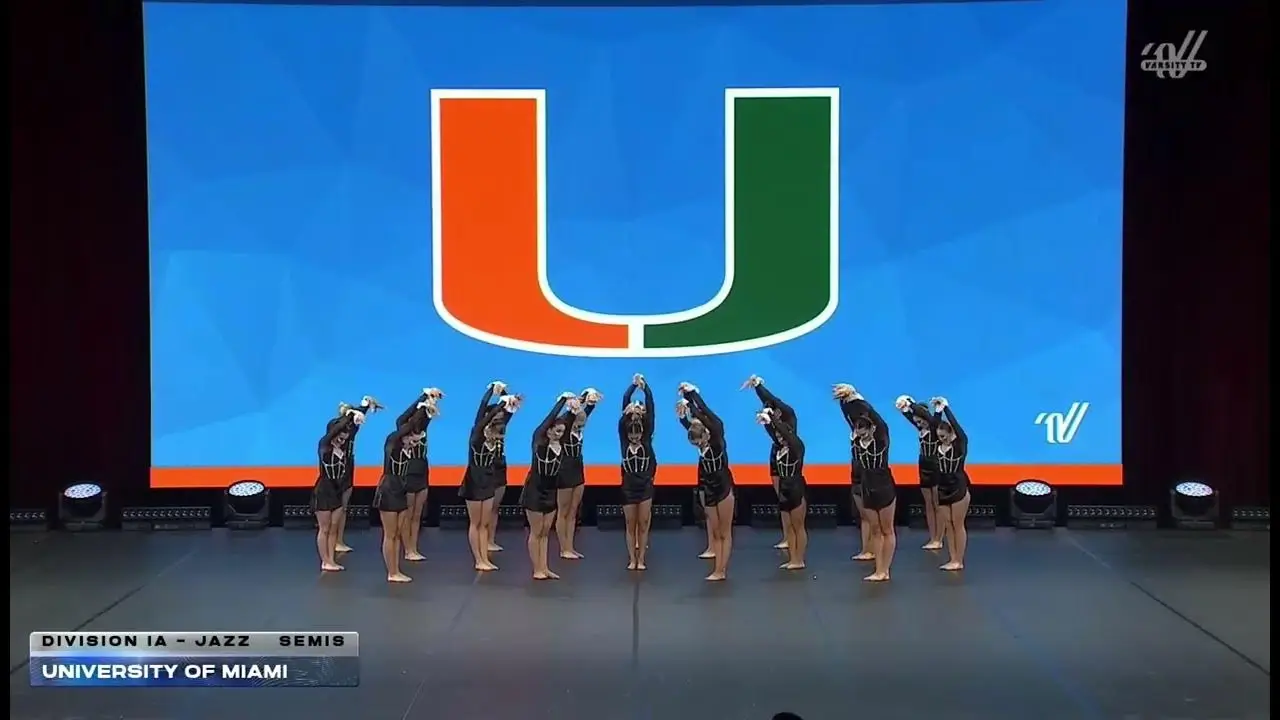
It’s a mix of excitement, pride, nostalgia, and this deep sense of awe for what dancers are capable of when they’re trained, committed, and surrounded by the right people. That feeling hit hard again this year as we watched the energy coming out of the UCA/UDA National College Dance Team Competition—a weekend that truly feels like the Super Bowl of collegiate dance.
If you’ve never watched UDA Nationals before, let me tell you… it’s not just impressive. It’s inspiring. It’s emotional. It’s the kind of event that makes dancers sit up straighter and think, “That’s where I want to be.” It’s also the kind of event that makes parents look at their dancer and realize, “Oh… this is serious.”
Because collegiate dance isn’t what it used to be.
College dance teams have become one of the most competitive and respected pathways for dancers who grew up in the studio world—especially dancers who trained hard, competed, and aren’t ready to stop dancing just because high school is ending. It’s a beautiful next chapter. And for the dancers who earn a spot on a team, it can be one of the most exciting experiences of their life.
But I also want to say something clearly, lovingly, and honestly—because it’s my job to prepare dancers for real life beyond our studio walls:
If you want collegiate dance, you cannot let go of your studio training.
Not now. Not later. Not “once you make the team.”
Because the truth is… the studio training is what gets you there.
And it’s what keeps you there.
UDA Nationals Is Thrilling… But It’s Also a Wake-Up Call
Watching UDA Nationals is like stepping into another world.
The lights, the crowd, the intensity, the precision—it’s all so exciting. The dancers are sharp. Their performance quality is electric. Their timing is clean. Their stamina looks endless. Their athleticism is undeniable.
But what people don’t always realize is this:
Those dancers didn’t show up in January and magically become that good.
They didn’t “get ready” during tryout week.
They didn’t build that level of strength, skill, and confidence overnight.
They’ve been training for years. And for most of them, that training started exactly where you are right now: in a local dance studio, taking technique classes, learning discipline, building foundations, and being held to a standard.
So yes, UDA Nationals is exciting. It’s inspiring. It’s something every dancer should watch if they want to understand the level of collegiate dance today.
But it’s also a reminder:
The dancers on that floor are the product of consistent training.
And that consistency is what separates a dancer who dreams about college dance from a dancer who makes it.
The Tryout Standard Has Changed—And It’s Higher Than Ever
One of the biggest misconceptions dancers have about college dance teams is that the hardest part is making the team.
And yes—tryouts are tough. They’re intense. They’re fast. They can be overwhelming. Many dancers walk in thinking they’re prepared, and within minutes they realize the room is filled with dancers who are just as talented… and sometimes even more trained.
But here’s what I want dancers to understand:
Making the team is only the beginning.
Once you make it, the training expectation doesn’t get easier—it gets higher.
Collegiate dancers are held to a level of rigor that most people don’t fully understand until they live it. They’re expected to perform like professionals. They’re expected to be consistent. They’re expected to be strong, reliable, and ready.
And the skills required to even walk into that tryout and be competitive? Those skills are built in the studio.
Not on the sidelines.
Not in one choreography rehearsal a week.
IN THE STUDIO!
Studio Training Is Where Collegiate Skills Are Built and Maintained
I always tell our dancers this: college dance teams aren’t looking for potential. They’re looking for readiness.
They want dancers who already have a strong foundation and can jump right into the pace of collegiate choreography, training schedules, and performance demands.
That means you need to walk into tryouts with skills that are already developed and maintained—skills like:
Clean turns with control and placement.
Jumps that are strong, athletic, and powerful.
Flexibility that supports clean lines, not just “party tricks.”
Stamina that lasts longer than the first 45 seconds of a routine.
Performance quality that doesn’t disappear when you’re tired.
And more than anything, they’re looking for dancers who can learn quickly, keep up and be coachable.
That kind of dancer doesn’t happen by accident.
That dancer is built in the studio through weekly training, consistent technique work, corrections, repetition, and the willingness to be uncomfortable while you grow.
Because growth isn’t always glamorous.
Sometimes it looks like staying after class to fix your pirouette.
Sometimes it looks like stretching when you’d rather be home.
Sometimes it looks like showing up on a day you’re tired and doing the work anyway.
And that’s exactly what collegiate dancers do.
High School Dance Teams Give Performance Opportunities—But They Don’t Train the Same Way
I love that dance is becoming more visible in schools. I love that dancers have the chance to perform, represent their school, and feel that team pride. High school dance teams can be an incredible experience.
But we also have to be honest about what they are—and what they aren’t.
High school dance teams are often designed around performance and spirit. They perform at games, pep rallies, and school events. They bring excitement and energy to their community.
That is valuable.
But high school dance teams are not typically structured to provide the kind of technical training that builds a collegiate-level dancer from the ground up.
And that’s not a criticism—it’s just reality.
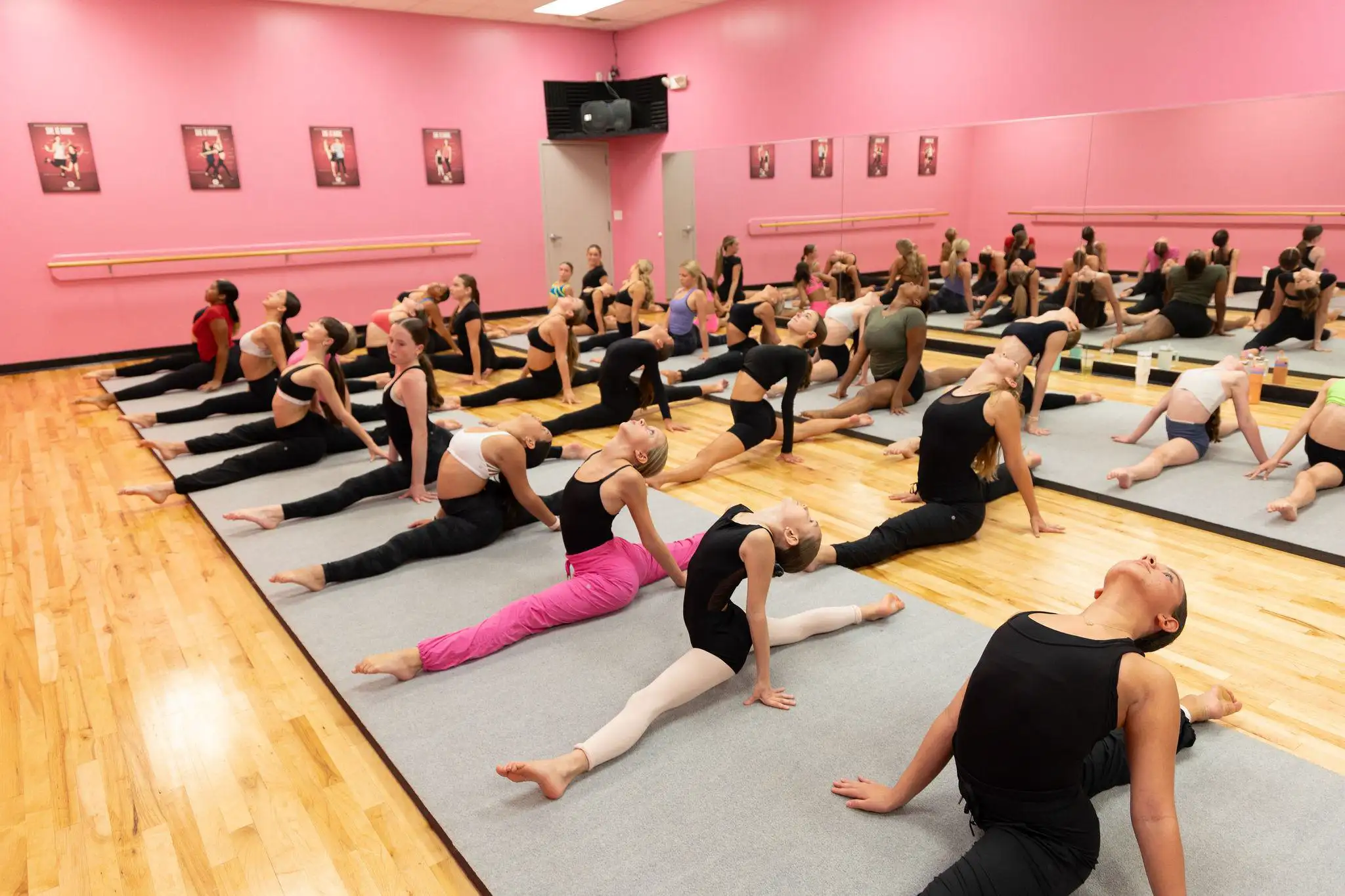
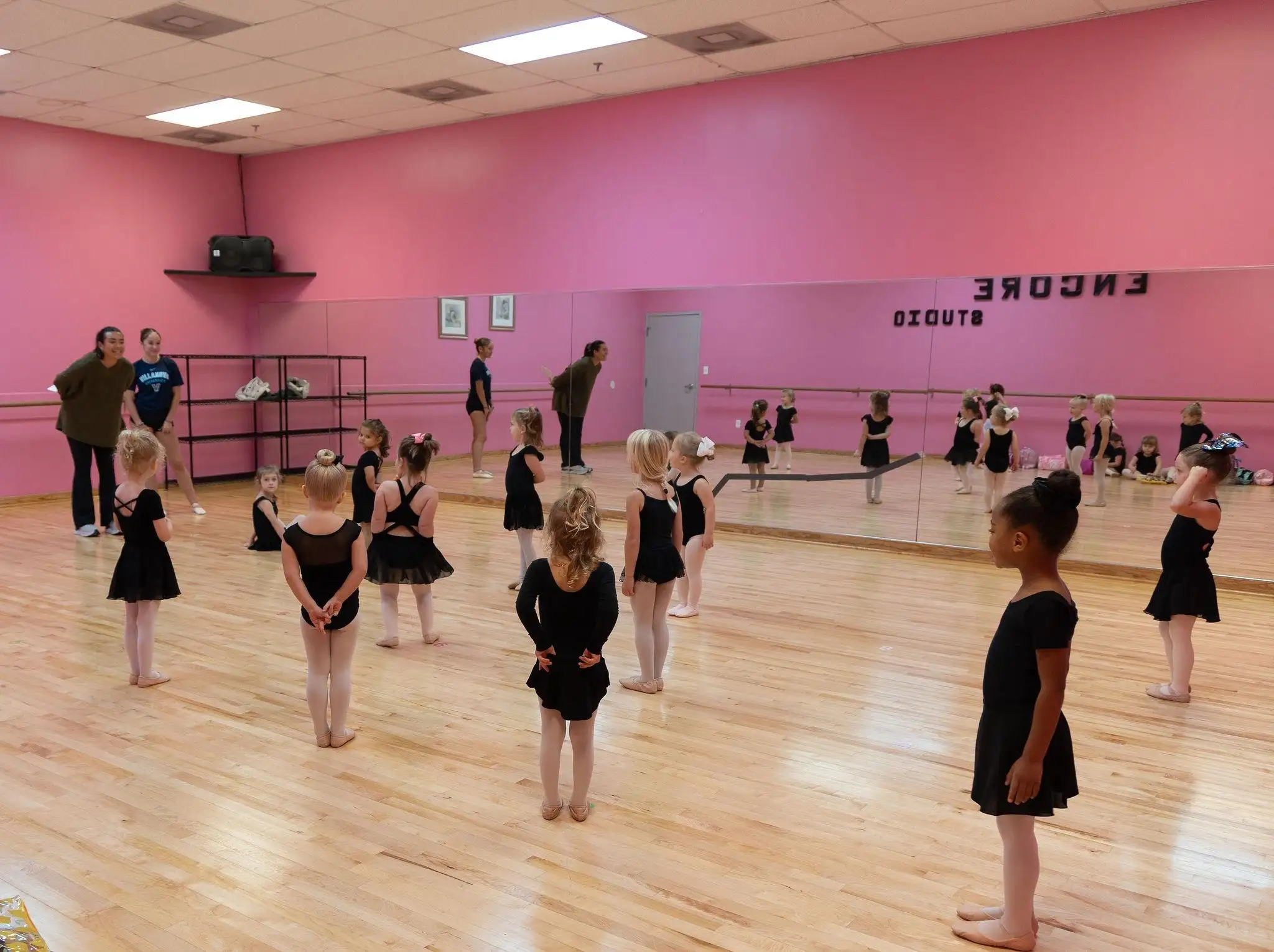
A studio environment is built for training. That’s what we do. That’s our job.
We teach dancers how to turn properly. How to jump safely. How to build strength. How to maintain alignment. How to perform with intention and control. How to condition their bodies so they can execute demanding choreography without breaking down.
And when dancers step away from studio training and rely only on performance-based environments, what often happens is that skills don’t improve… they fade.
Not because the dancer isn’t talented.
Because talent needs maintenance.
Collegiate Dancers Are Athletes—And They Train Like It
One of the biggest shifts in collegiate dance over the last decade is that teams are increasingly treated like athletic programs. And honestly? They should be.
College dancers are athletes.
Many teams require dancers to participate in mandatory workouts in the gym in addition to dance rehearsals. Strength training. Conditioning. Endurance. Injury prevention. Core stability. Recovery work.
It’s not optional. It’s not “if you have time.” It’s built into the program because the demands of collegiate dance are physical in a way that many dancers have never experienced before.
And it’s not just about being strong.
It’s about being able to perform full-out in real conditions.
Because collegiate dancers aren’t just performing in perfect lighting on a stage. They’re performing on the sidelines of football games in extreme heat, wind, and cold. They’re expected to be energized and sharp for long game days. They’re performing multiple times a week during basketball season. They’re doing it while traveling. While studying. While taking exams. While balancing life.
And they’re expected to show up ready—every single time.
That is athletic commitment.
That is discipline.
That is training.
The Schedule Is Intense—And It Doesn’t Slow Down
I think some dancers imagine college dance team as a fun extracurricular. Like something you do on the side while you “live your college life.”
But collegiate dance team isn’t a side hobby.
For many dancers, it becomes the center of their schedule.
They’re learning and maintaining choreography for competition season—while also managing game day routines, sidelines material, halftime performances, pep rally pieces, and special events. Many teams have dancers responsible for 20+ routines across a season.
That’s not just a lot of choreography.
That’s a lot of mental focus.
It’s a lot of stamina.
It’s a lot of responsibility.
And when you combine that with academic expectations, what you get is a lifestyle that feels very close to a full-time job.
This is why the dancers who thrive are not only the most talented dancers in the room.
They’re the dancers with the strongest foundations.
The dancers who know how to take care of their bodies.
The dancers who know what it means to train when nobody is watching.
College Dance Teams Are More Competitive Now Because Dancers Want More
Here’s the beautiful part of all of this.
College dance teams are so competitive now because dancers want to keep dancing.
They want a place to belong after high school. They want to keep growing. They want to be part of something meaningful. They want to keep performing. They want to keep pushing their limits.
For dancers who grew up in the studio world, collegiate dance teams feel like the perfect next step. They’re a continuation of the discipline and passion dancers already know. They provide opportunity. They provide community. They provide the thrill of competing and performing at a high level.
And for many dancers, it becomes a stepping stone into even more—professional opportunities, choreography careers, teaching, performance pathways, and lifelong connections.
But because it’s become such a desired opportunity, the standard has risen.
Some collegiate programs are now invite-only. Some require video submissions. Some recruit dancers long before auditions even happen. Some no longer hold large open auditions the way they used to.
That means dancers need to be prepared early.
And preparation starts in the studio.
The Studio Is Where the Collegiate Dream Is Built
If you take nothing else from this, I want you to remember this:
Your studio training is what makes you a collegiate candidate.
It’s what builds your technique.
It’s what develops your strength.
It’s what sharpens your performance.
It’s what creates consistency.
It’s what prepares you for the pressure.
Because when a collegiate team is selecting dancers, they’re not just selecting who looks great on one day.
They’re selecting who can keep up for an entire season.
They’re selecting who can handle the workload.
They’re selecting who will represent their program well.
They’re selecting dancers who are ready to train like athletes, perform like professionals, and manage their academics like scholars.
That’s not easy.
But it’s absolutely possible when dancers stay committed to what built them in the first place.
So If You’re Chasing Collegiate Dance… Keep Training
To every dancer reading this who dreams of wearing that college team jacket, stepping onto that Nationals floor, or hearing your name called at tryouts:
Keep training.
Keep taking class even when you’re busy.
Keep refining the basics because the basics are what make you stand out.
Keep conditioning your body so it can handle the demands ahead.
Keep learning how to be consistent—not just good.
Because collegiate dance is exciting, yes.
It’s thrilling. It’s powerful. It’s unforgettable.
But it is also earned.
And the dancers who earn it are the dancers who never stop doing the work.
At Encore Studio, we don’t just train dancers to perform.
We train dancers to become the kind of dancers who are ready for what comes next.
And if “next” is collegiate dance team, then your studio training isn’t something you leave behind.
It’s the very thing that takes you there.